From Y2K aesthetics to vintage-inspired sportswear, it feels like the past is creeping into every corner of our lives. Scroll through social media or step into a clothing store and you’ll likely come across something that looks straight out of another decade. Why are we so drawn to things that feel familiar, even when they come from a time we weren’t alive for?
Nostalgia isn’t just a trend. It’s a visual language that gives audiences and consumers a connection to a time that feels safe and relatable, while the world around us changes by the day.
It’s not about recreating the past, but recreating the feeling of a particular time.
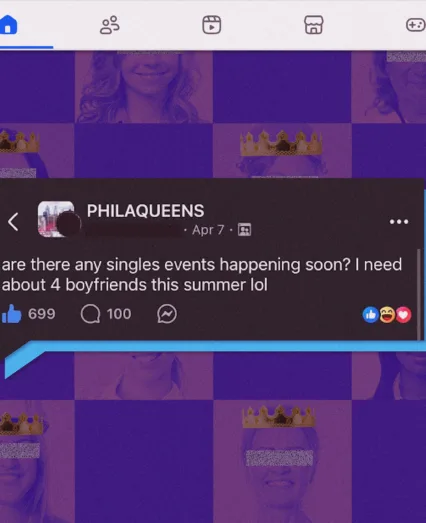
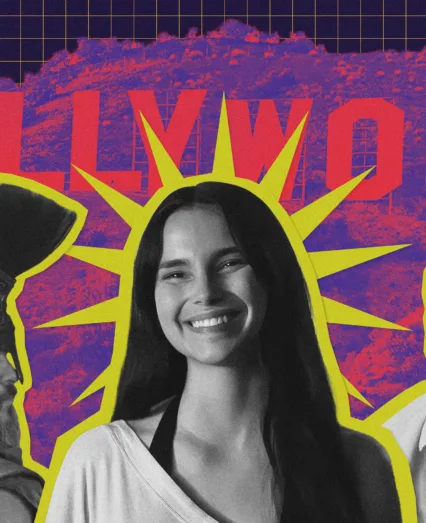
Visual cues can transport us instantly: color palettes, chunky typography, film aesthetics, distressed textures, the warm look of something made by hand. These details carry associations audiences recognize and cling to right away.
And nostalgia doesn’t even have to come from lived experience. Through movies, TV, books, and the internet, younger generations develop a sense of nostalgia for eras they never lived through. Entire generations get to reinterpret these aesthetics firsthand and make them their own.
One of the clearest places we see nostalgia in culture right now is fashion. Look at the resurgence of brands like Juicy Couture, Ed Hardy, and even Abercrombie. Clothing has always let us express ourselves as individuals, and today’s young trendsetters are doing that through nostalgia. Y2K is big right now, but with the rise of thrifting, vintage garments of all kinds are in demand. Part of clothing’s appeal is that it lets people build an identity while showing an interest in, or a part of, the culture they fit with.
The same thing is happening in graphic design. Brands are turning to vintage-inspired typography, analog textures, and hand-drawn elements. It’s an interesting contrast to the ultra-modern, minimalist branding that has dominated the space for the past decade. Crisp sans-serifs and neutral color palettes made brands feel modern, but they also lacked personality and individuality. Nostalgic design offers an alternative. Add a grainy background, some bright colors and a funky typeface, and the design feels more approachable. These familiar visual elements can make something new and different feel like it’s been around forever.
Pepsi’s 2023 rebrand is a good example. After years with an abstract, modernized logo, it reverted toward its classic identity, bringing back the wordmark integrated within the circle and pairing it with a contemporary design system. The result feels fresh but still familiar. Burger King took a similar approach in 2021. Rather than lean into the ultra-modern minimalism corporations everywhere were adopting, its redesign intentionally referenced the brand’s previous visual identities.
Nostalgia-based design doesn’t only show up in rebrands, though—just take a look at Zohran Mamdani’s 2025 New York City mayoral campaign. The design focused on elements and colors that spoke to the city and the culture of its neighborhoods. By using a logo that referenced hand-painted signs and a design system, it felt both authentic and familiar. His branding wasn’t trying to recreate a specific decade but rather borrowed familiar visual cues from New York’s history and transformed them into something contemporary.
So, why are we looking back?
At the end of the day, nostalgia is rooted in emotion. Familiar imagery provides comfort when the present feels overwhelming and unknown. It offers escapism, a break from the pressure to keep up with what’s new. There’s also a desire for authenticity. As AI becomes rampant in our society, people want to feel that what they’re consuming is real. Visual imperfections and analog processes communicate a sense of human involvement that a highly polished design can lack.
Nostalgia in design isn’t going anywhere. It will keep evolving, reinterpreted and remixed by the designers and creatives who find ways to connect the past to the present. Today’s trends will eventually become tomorrow’s nostalgia, and the more interesting work will reinterpret and recontextualize rather than copy what came before.
Our obsession with nostalgia isn’t about wanting to go backward. It’s about holding onto something familiar while moving forward. There’s something powerful about a design that reminds us we’ve been here before, in a world that never stops changing.